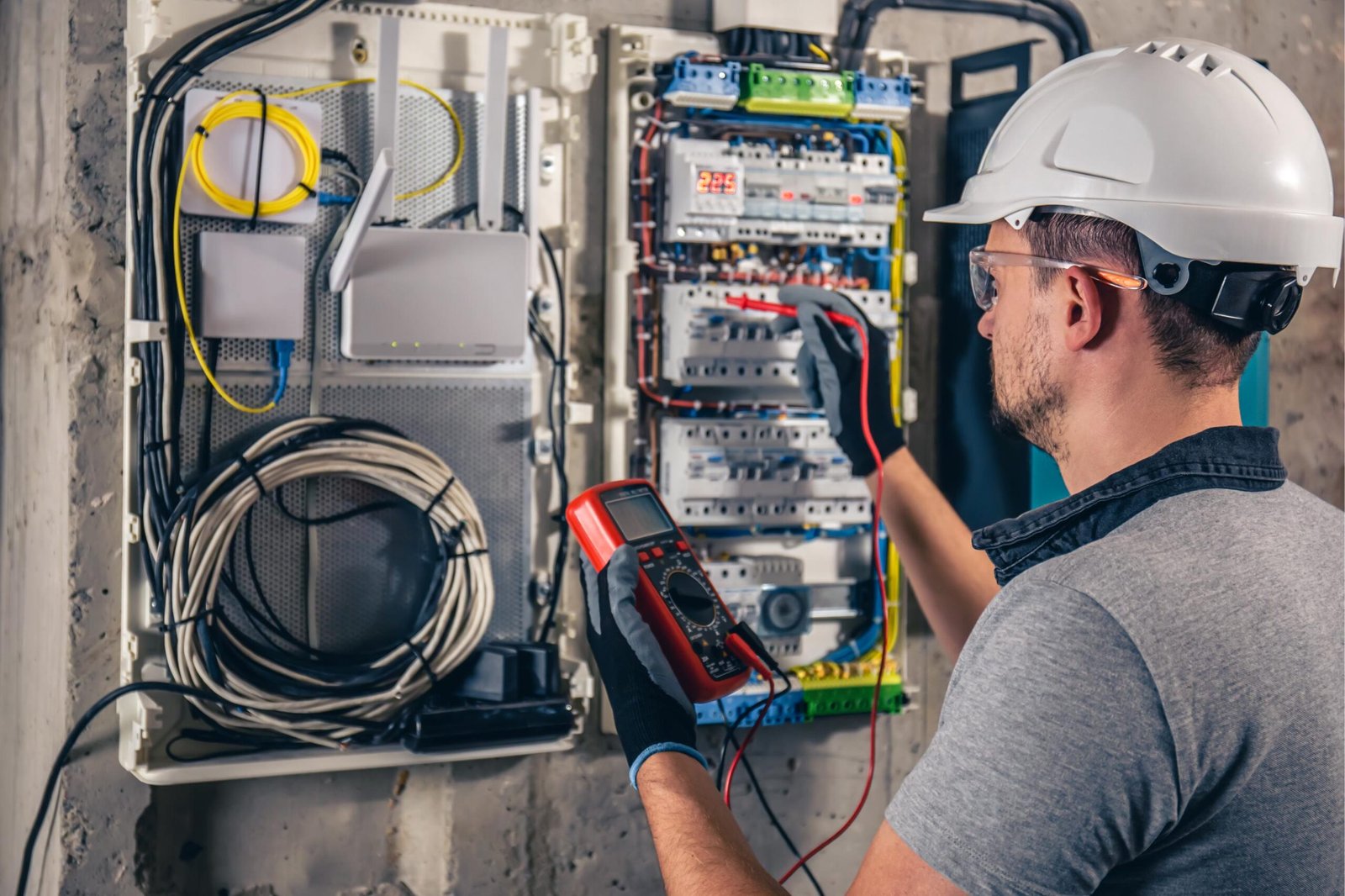
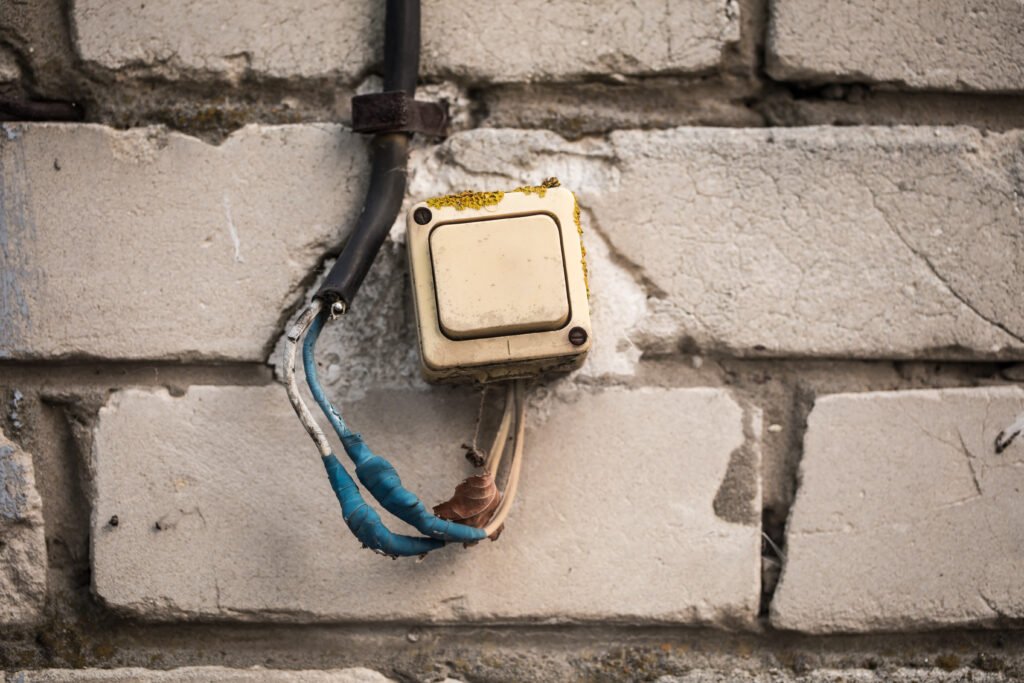
Santa Rosa has plenty of older homes with real character, from early bungalows to mid-century ranch houses. Many of them were wired for a time when homes used far less electricity than they do now. An experienced electrician in Santa Rosa, CA, can help you sort out which issues are routine repairs and which pose a safety risk behind the walls.
Fuse Boxes Still Running the House
Some homes built before the 1960s still run on fuse boxes instead of breaker panels. Fuses were standard in older homes, but they are not as easy to manage as breakers because a blown fuse has to be replaced. The real concern is that the wrong fuse size may have been installed at some point, allowing old wiring to carry more electricity than it should.
That kind of mismatch can overheat wires and raise the risk of a fire. If fuses blow often, or if the panel feels warm, looks damaged, or smells burnt, the system needs to be checked. In many cases, replacing the fuse box with a breaker panel makes the home safer and easier to maintain.
Aluminum Wiring in Mid-Century Homes
Some homes built from the mid-1960s through the early 1970s used aluminum wiring instead of copper. Aluminum expands and contracts more as it heats and cools, which can loosen connections at outlets, switches, and junction boxes. When connections loosen, they may spark or create heat inside the wall.
That does not always mean the whole house needs to be rewired. Many homes can be repaired with approved connectors and careful work at each affected device. A proper inspection shows whether targeted repairs are enough or whether a larger wiring update makes more sense.
Circuits That Cannot Keep Up With Modern Loads
Older electrical systems were often built with 60-amp or 100-amp service. That may not be enough for air conditioning, kitchen appliances, laundry equipment, computers, entertainment systems, and charging devices all running in the same house. Breakers that trip often are usually trying to protect the wiring from carrying too much load.
Resetting the breaker repeatedly does not solve the problem. The home may need dedicated circuits for heavy-use appliances, a panel upgrade, or an electrical service upgrade. A load check helps show what the home can safely support before new equipment is added.
Outlets Without GFCI Protection
GFCI protection helps reduce the risk of shock in areas where water may be nearby. Older homes often have regular outlets in kitchens, bathrooms, garages, laundry areas, and outdoor spaces. Those areas need extra protection because wet floors, sinks, and outdoor conditions increase the chance of shock.
This is usually one of the simpler safety updates in an older home. An electrician may install GFCI outlets or protect the circuit through the panel. The work is often straightforward, and it can make daily use of the home much safer.
Ungrounded Two-Prong Outlets
Two-prong outlets usually mean the home’s wiring does not include a ground wire. That can be hard on electronics and may leave appliances without a safe path if a fault occurs. Many homeowners are tempted to replace three-prong outlets, but that alone does not fix the grounding problem.
The repair depends on what is inside the wall and how much of the home is affected. Some outlets may be protected with GFCI devices, while others may need new grounded wiring. Testing the outlets is the safest way to decide which repair is right for that part of the house.
Knob-and-Tube Wiring in Very Old Homes
Homes built before 1940 may still have knob-and-tube wiring in some areas. This wiring was widely used in its time, but it was not designed for the electrical demands of a typical home today. It also lacks a ground wire, and the insulation can become brittle with age.
Past repairs can make the situation more complicated. Knob-and-tube wiring may have been spliced into newer wiring or covered by insulation during renovations. A careful inspection can show whether certain circuits can remain for now or should be replaced.
How We Handle Older Santa Rosa Homes
Older homes need a steady hand and a clear repair plan. Our team inspects the system, explains what we find, and gives you a written estimate before work begins. We focus on the issues that affect safety, reliability, and the way your home is used every day.
Some homes only need outlet repairs or GFCI updates. Others may need a panel replacement, new circuits, or wiring work in specific rooms. If you have flickering lights, warm outlets, frequent breaker trips, two-prong outlets, or an outdated panel, call (707) 774-2112 or request an estimate.
Related Topics: