Santa Rosa has many older homes that were wired for a much lighter electrical load than families use now. A knowledgeable electrician can help you determine whether the system is simply old or already poses safety concerns.
Central AC, home office gear, kitchen appliances, EV chargers, and smart devices can put pressure on panels and circuits that were installed decades ago. The signs often appear gradually, so it helps to know what to look for before a small issue becomes a larger repair.
The Panel Is the First Place to Look
Your electrical panel can say a lot about the age of the system. If the home still has a fuse box, it may not be configured for the amount of power used every day. Fuses have to be replaced when they blow, and the wrong size fuse can allow old wiring to carry more current than it should. That can lead to overheating inside the walls or inside the panel.
Older breaker panels can have problems, too. Federal Pacific and Zinsco panels, for example, are no longer installed and are often flagged during inspections. Even if nothing looks wrong from the outside, it is worth having the panel checked. Buzzing, scorch marks, rust, a warm cover, or breakers that feel loose should be taken seriously.
Breakers That Trip on a Regular Basis
A tripped breaker once in a while is not unusual. A breaker that trips repeatedly during normal use is the system’s way of asking for attention. It usually means that the circuit is carrying more power than it was made to handle. Resetting the breaker may get the lights back on, but it does not solve the cause.
This often happens in kitchens, laundry rooms, garages, and home offices. Large appliances, space heaters, printers, computers, and charging stations can overload older circuits fast. The repair may be as simple as adding a dedicated circuit. In other homes, the panel may need work before more power can be added safely.
Lights That Flicker or Dim Without Explanation
Lights that dim when the air conditioner, refrigerator, or microwave turns on may indicate a strained circuit. A quick flicker now and then may not mean much, but repeated dimming should not be ignored. It can mean the appliance is pulling more power than the circuit can comfortably supply. Over time, that stress can wear on wiring, breakers, and connected equipment.
Random flickering is more concerning, especially if it happens in several rooms. That may point to a loose connection, damaged wiring, or a panel issue. Loose connections can create heat in places you cannot see. That is why flickering lights should be checked instead of treated as a normal part of owning an older home.
Two-Prong Outlets Throughout the Home
Two-prong outlets usually indicate that the outlet is not grounded. Many older homes still have them in bedrooms, living rooms, and hallways. The problem is that many current appliances and electronics are designed for grounded three-prong outlets. Plug adapters do not create a true ground connection, even if they make the plug fit.
Two-prong outlets in kitchens, bathrooms, garages, laundry areas, and outdoor spaces need extra attention. These areas often need GFCI protection because water may be nearby. In some cases, GFCI protection can make the outlet safer without opening every wall. In other cases, new grounded wiring is the better repair.
The Home Was Built Before 1980
Homes built before 1980 often have smaller electrical service than newer homes. Many were built with 60-amp or 100-amp service, which may not be enough for the way the home is used now. If the panel has never been upgraded, it may already be near its limit. That becomes more likely after adding new appliances, HVAC equipment, or an EV charger.
Older Santa Rosa homes may also have aluminum wiring, ungrounded circuits, or older repairs hidden behind walls. Some of those issues are not obvious until outlets, panels, or junction boxes are opened. A proper inspection gives you a better look at what is actually there. From there, repairs can be planned based on the home’s actual condition.
What an Inspection Actually Covers
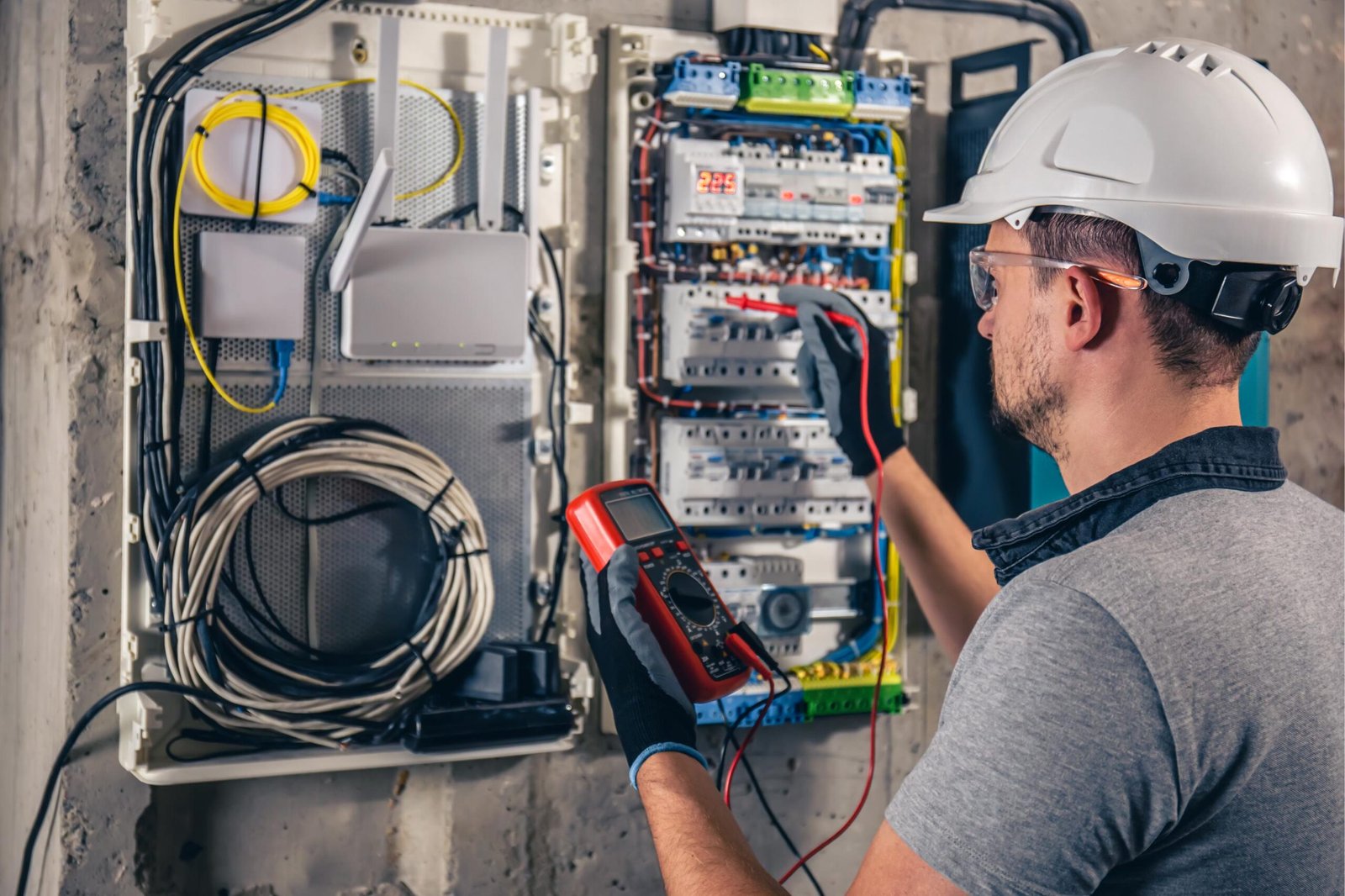
An electrical inspection looks at the panel, breakers, outlets, grounding, GFCI protection, and visible wiring. The electrician checks for overheating, overloaded circuits, loose connections, damaged parts, and work that may not meet current code. It is not meant to scare you into a large project. It is meant to show what is safe, what is aging, and what should be repaired.
This can be useful before buying, selling, or remodeling a home in Santa Rosa. Unpermitted wiring, outdated panels, and unsafe outlets can slow down a sale or lead to repair requests. An inspection can also help you plan work in the right order. Safety repairs can be handled before convenience upgrades or cosmetic projects.
How We Approach This Work
Our team works in older Santa Rosa homes often, so we know the common trouble spots. We inspect the system, explain what we find, and give you a written estimate before any work begins. Some homes only need outlet repairs, GFCI updates, or one new circuit. Others may need a panel replacement or targeted wiring work.
If your home has flickering lights, frequent breaker trips, two-prong outlets, a fuse box, or an older panel, call (707) 774-2112 or request a quote. You can also ask about electrical repair services in Santa Rosa or residential electrical services. A careful inspection can help you decide what needs attention now and what can be handled later.
Related Topics: