Electrical emergencies can happen anytime, and honestly, it’s stressful when they do. Flickering lights, weird burning smells, and outlets that spark you notice it, and suddenly you’re thinking, oh no, what now? It’s moments like this that having an expert electrician on call makes a big difference. Sometimes people try to handle things themselves, but that’s just asking for trouble. The right help, quickly, can prevent bigger problems and keep everyone safe.
It’s not just about calling someone and hoping for the best. Knowing what to do in the moment, like turning off the main power or keeping away from wet floors, really matters. Even a little prep ahead of time can save a lot of stress. And honestly, thinking about preventive steps afterward is worth it too.
Recognizing Electrical Emergencies
Spotting an electrical emergency isn’t always obvious, you know? Flickering lights, that faint burning smell, and outlets that spark are warning signs. Tripped breakers are another thing to watch for. Even a low buzzing or crackling noise from a wall can be a hint that something’s wrong.
If you notice these things, it’s time to act fast. Don’t wait until it gets worse. A lot of people shrug at first, thinking it’s just a glitch, but small signals can turn into dangerous situations really quickly. Recognizing them early makes a huge difference.
Steps to Take Immediately
When you notice something wrong, the first thing is to figure out what’s going on, just a bit, and how serious it is. If you see sparks, smoke, or smell something burning, flip the main breaker off right away. For electrical fires, you’ll need a fire extinguisher made for electricity, never water.
If someone gets shocked, don’t touch them with your bare hands. Turn off the power first and call emergency services. And water? Stay out of it if live wires are involved. Keep everyone else away, too. Safety has to come first, even if it feels like overreacting.
Contacting Emergency Electricians
Once immediate safety steps are done, the next thing is calling an emergency electrician. You want someone who can actually handle the situation, not just a random person. When you call, it helps to give details: what’s happening, any sparks, smoke, or smells, and the current state of your system.
Have your location and contact info ready, too. If you can describe the type of problem clearly, the electrician can bring the right tools and help faster. It’s really about making their job easier so they can act quickly.
Providing Essential Information
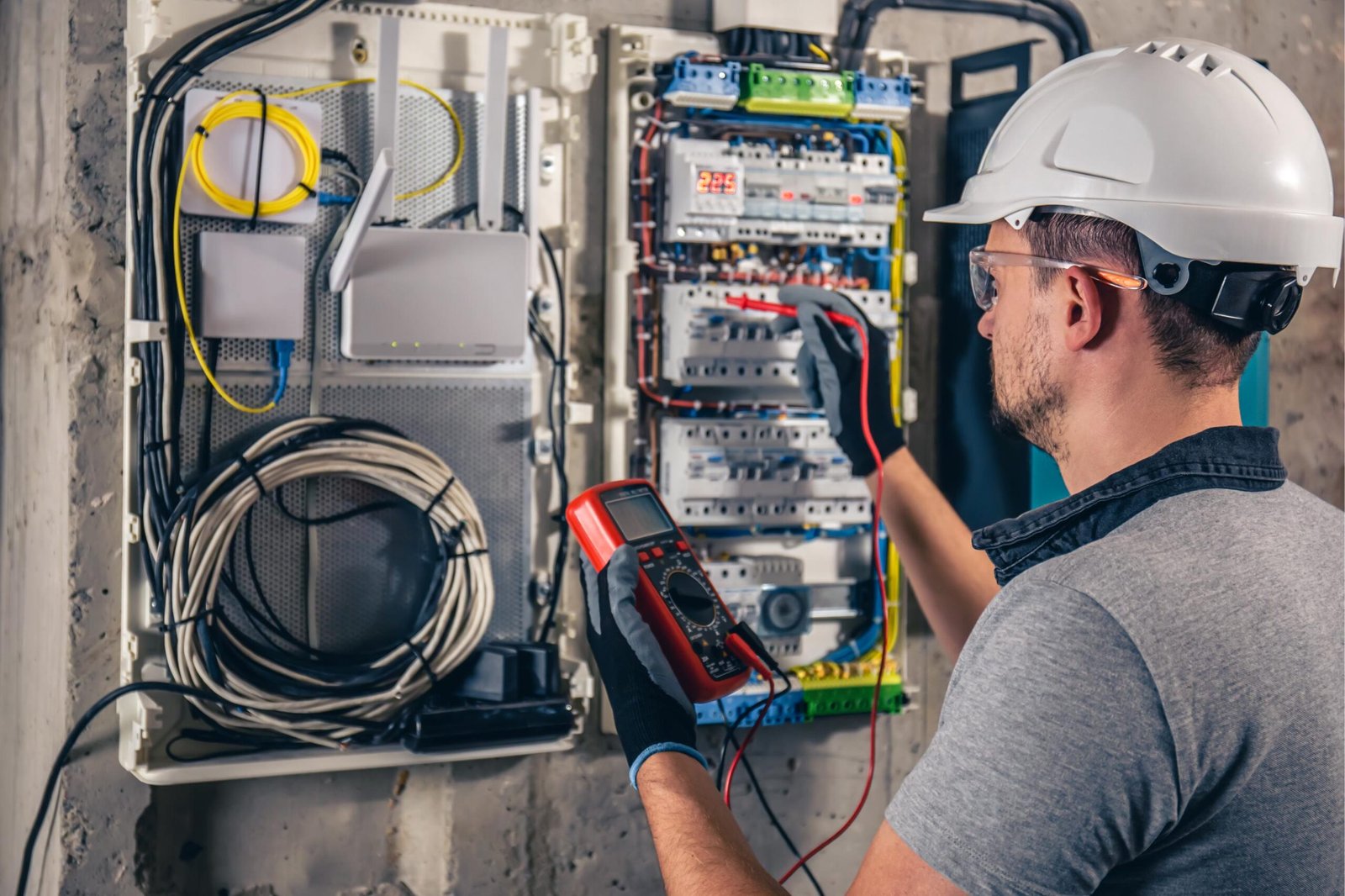
When you’re talking to the emergency electrician, just be clear and a bit thorough. Mention what you’ve noticed: sounds, smells, sparks. Say if the wires look frayed or the outlets are burnt. Even small details help them figure out what’s happening before they arrive.
Also, tell them about past issues or recent maintenance. It might feel like overexplaining, but it actually speeds things up. Clear information means the electrician can act confidently and fix the problem efficiently.
Ensuring Personal Safety
Staying safe while handling an electrical emergency is obvious, but people forget. Always turn off the main power first. Don’t touch anything wet, and if you’re handling tools, make sure they’re insulated.
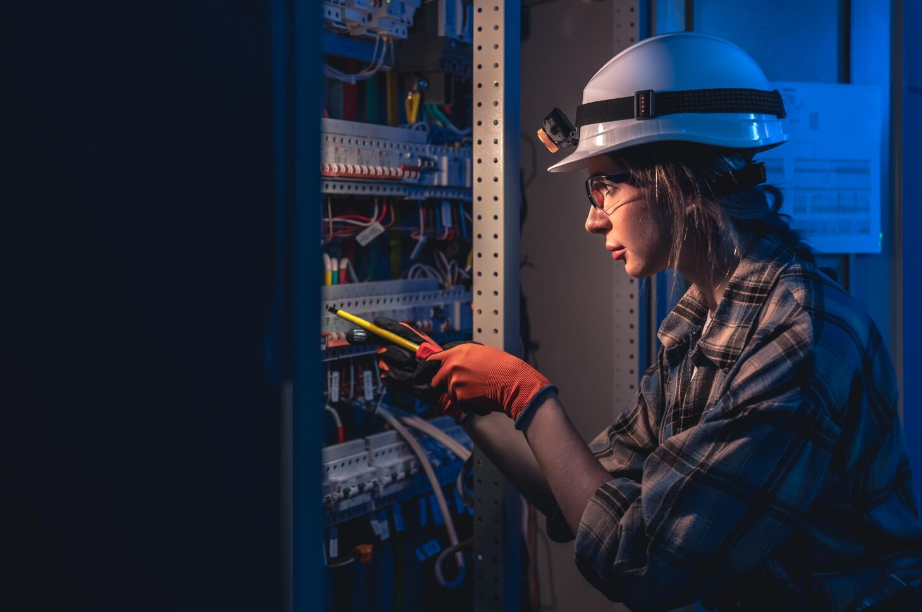
If a fire starts, use the correct extinguisher, not water. Wearing gloves or goggles is smart. And honestly, don’t try to fix anything beyond what you know. Waiting for a professional is always better. Having a plan ahead of time helps everyone react quickly and safely.
Follow-Up and Prevention
After the emergency is handled, it’s worth checking everything again, just a bit. Inspect wiring, connections, and outlets for wear or hazards. Make sure everything is functioning properly and safe. Scheduling regular maintenance can catch problems before they become emergencies.
Talking to everyone in the household about safety practices helps too. Simple steps like not overloading circuits or unplugging certain devices make a difference. Staying on top of potential issues keeps your system reliable and reduces the chances of emergencies in the future.
Related Topics: