Electrical problems can range from minor annoyances to serious safety hazards. Knowing when to handle something yourself versus when to call a reliable electrician can save you from dangerous situations. Some issues need immediate professional attention to prevent fires, shocks, or major damage to your property. This post covers the warning signs that tell you it’s time to pick up the phone and get help fast. From flickering lights to water damage, here’s what to watch for at home or at work.
Flickering or Dimming Lights
If you notice flickering or dimming lights in your home or workplace, you might have an electrical issue that needs quick attention from a certified emergency electrician. Flickering lights often indicate loose wiring connections, overloaded circuits, or a faulty fixture. These problems can pose a fire hazard and should be addressed by a professional immediately. Dimming lights could mean voltage fluctuations, old light bulbs, or issues with your electrical panel. These signs don’t just affect your lighting; they may point to deeper electrical problems that need to be fixed to keep your system safe and running right. Have a qualified electrician check things out before the issue gets worse.
Burning Smell or Smoke
A burning smell or smoke in your building indicates a serious electrical issue that requires immediate assistance from a certified emergency electrician. These odors usually come from overheating wires, damaged insulation, or failing electrical parts. Ignoring these warning signs can lead to a fire or complete electrical failure. If you smell something burning, shut off the power at the main breaker and get everyone out of the building. Call an emergency electrician right away to find the source of the problem, prevent further damage, and ensure everyone stays safe. Professional electricians have the skills and tools to track down the issue and fix it fast, getting your electrical system back to normal.
Tripped Circuit Breakers
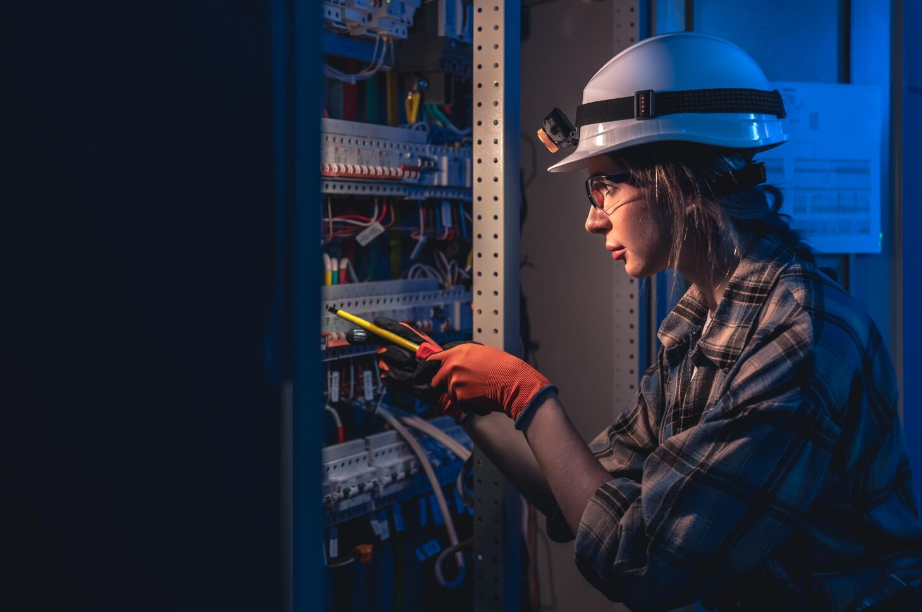
When a circuit breaker trips, you need to act fast to restore power and avoid electrical problems. A tripped breaker usually means there’s an overload or short circuit somewhere in your system. Start by turning off all appliances connected to that circuit. Find your circuit breaker panel and look for the breaker that’s in the middle position or slightly off. Reset it by pushing it firmly to the off position, then back to the on position. If the breaker keeps tripping, you’ve got a bigger problem that needs professional help. Resetting the breaker repeatedly without addressing the root cause can create safety hazards and lead to further damage down the line.
Outlets or Switches Sparking
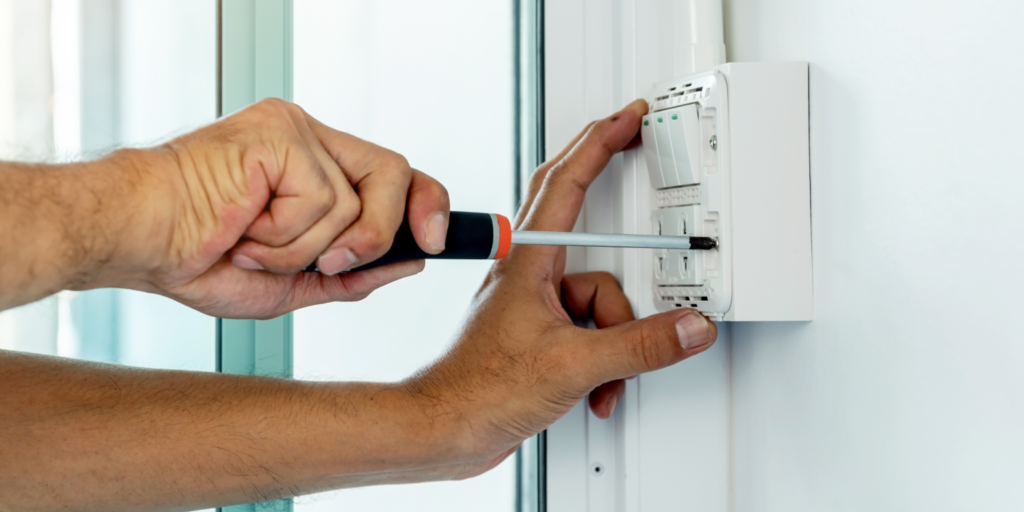
Sparking outlets or switches need immediate attention to prevent hazards and electrical damage. Sparks can occur due to loose connections, worn-out outlets, or faulty switches. If you see any sparking, turn off the power to that outlet or switch at the circuit breaker right away. Don’t try to investigate or fix the problem yourself; it’s too risky. Call a qualified electrician to inspect the issue and make repairs. Ignoring sparking outlets or switches can lead to electrical fires, shocks, or damaged equipment. Put safety first and address sparking issues promptly to keep your electrical system secure at home or work.
Sudden Power Outages
Sudden power outages can throw off your day and may signal underlying electrical issues that need fast attention. Here are four signs that a power outage might be more than a minor inconvenience:
- Whole Neighborhood Affected: If only your property lost power, the problem is likely internal. If the whole neighborhood is dark, the issue is probably with the utility company.
- Frequent Tripping: If your circuit breaker keeps tripping and cutting power, you might have an overload or short circuit in the system.
- Burning Smell: A power outage accompanied by a burning smell could indicate overheating or bad wiring.
- Repetitive Outages: If outages keep happening, you need to find the root cause to avoid potential safety hazards.
Water Contact With Electrical System
When water comes into contact with your electrical system, you need to act immediately to prevent hazards and damage. Water conducts electricity, creating dangerous situations when it gets into electrical components. If water comes into contact with outlets, appliances, or wiring, shut off the power at the main breaker right away. Don’t touch any wet electrical parts; you could get shocked. Once the power is off, call a qualified electrician to assess the damage and make repairs. Even small amounts of water can cause significant problems for electrical systems, so move fast to keep everyone safe and protect your electrical setup from further harm.
Related Topics: