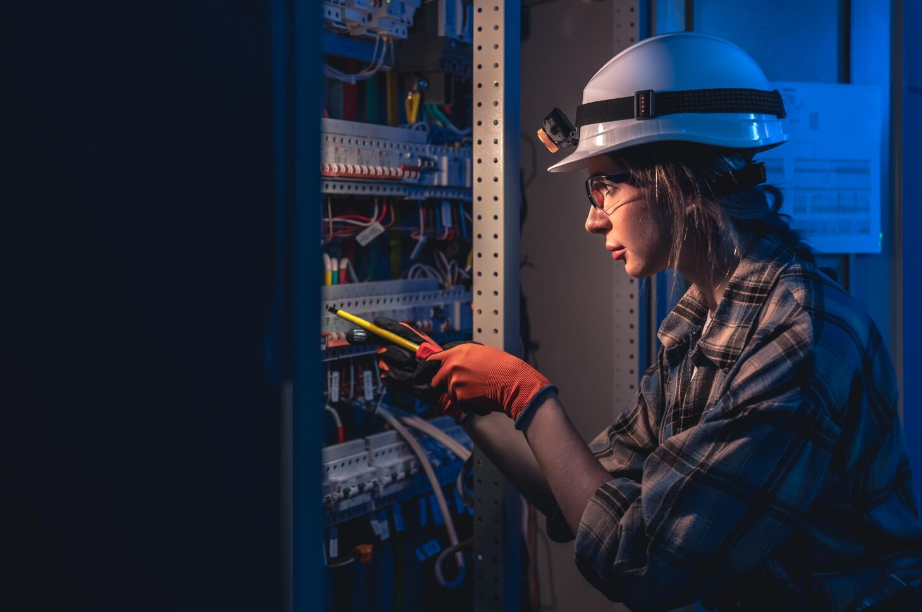
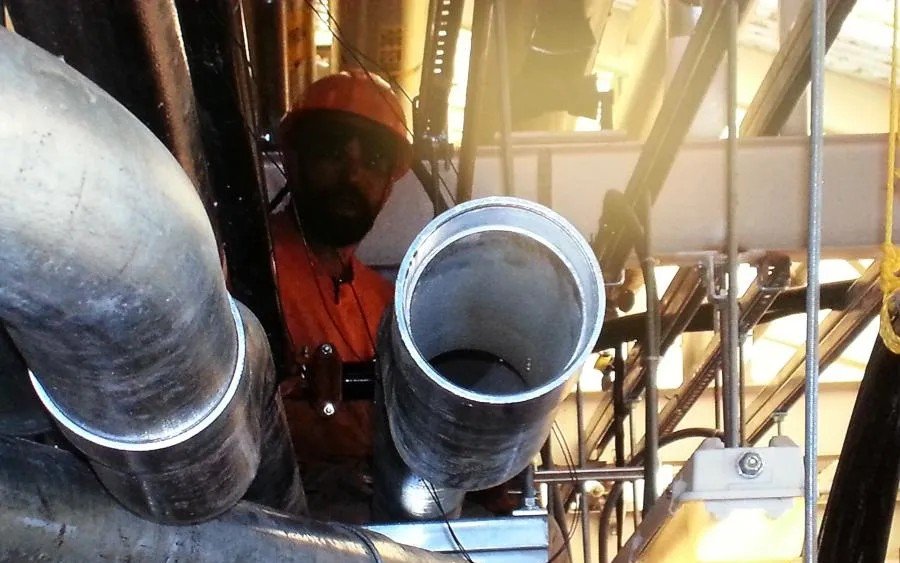
Electrical contractors design, install, maintain, and repair electrical systems in various buildings. They plan wiring, install panels and circuits, connect equipment, and ensure safe power delivery. These professionals also troubleshoot issues such as tripped breakers and dead outlets and make repairs that comply with safety codes. While an electrician in Santa Rosa, CA, handles the hands-on electrical work, contractors manage the entire project, including permits, scheduling, and code compliance. If you’re comparing “electrical contractor vs electrician” for a remodel or panel upgrade, contractors oversee the entire project.
Planning and Design for Safe Electrical Work
Before anyone pulls wire, an electrical contractor figures out what the building actually needs.
That includes:
- Calculating expected loads (appliances, HVAC, EV charger, office equipment, lighting)
- Mapping circuits so power is balanced, and breakers are sized correctly
- Choosing locations for panels, subpanels, receptacles, switches, and fixtures
- Coordinating with other trades so electrical work fits with framing, plumbing, and finishes
This planning step is where much of the safety comes from. A clean layout reduces overloaded circuits, nuisance trips, hot spots, and the kind of “it worked yesterday” problems that show up later.
Electrical Installation
Installation is the part most people picture, but it’s not just running wire.
Electrical contractors typically handle:
- Service upgrades (like moving from 100A to 200A, where applicable)
- Panel and breaker installation
- Rough-in wiring (behind walls and ceilings) and final trim-out (devices and fixtures)
- Dedicated circuits for kitchens, laundry, water heaters, HVAC, workshops, and server rooms
- Lighting installations, including indoor, outdoor, and security lighting
- Grounding and bonding systems, which are quietly important
Long-tail keyword angle: If someone searches “electrical contractor for recessed lighting install” or “who installs dedicated circuit for microwave,” the answer is usually an electrical contractor or licensed electrician working under one, depending on your area.
Example scenario (illustrative)
A homeowner adds an induction cooktop and a new oven during a remodel. The contractor checks the panel capacity, installs properly sized breakers and wiring, and ensures the kitchen circuits match code requirements for that setup. Nothing fancy, just correct work, tested and documented so it does not become a future headache.
Maintenance and Repairs
Electrical systems age. Connections loosen. Loads change. Equipment gets added. Maintenance is the difference between “fine for now” and “safe long-term.”
Electrical contractors often provide:
- Preventive inspections of panels, breakers, outlets, and visible wiring
- Tightening of terminations where permitted and safe to do so
- Replacement of worn devices (outlets, switches, breakers, light fixtures)
- Diagnosis of repeated breaker trips, burning smells, buzzing panels, hot outlets, and dimming lights
- Repairs after storm damage, water intrusion, or pest damage (when applicable)
Some issues are quick. Others take patience. A flicker might be a loose neutral, a failing breaker, a fixture problem, or utility-side trouble. The job is to isolate the cause, confirm it with testing, and fix it without guessing.
Wiring and Circuit Work
Wiring and circuit installation is a big piece of the trade, and it’s easy to underestimate.
Electrical contractors:
- Select a wire type and size appropriate for the load and environment
- Route cables in a way that protects them and keeps the system serviceable
- Build circuits so that voltage drop and overheating risk are controlled
- Install GFCI, AFCI, surge protection, and other protective devices where required
This is also where code compliance matters a lot. The “right” circuit is not only functional. It is sized, protected, and installed correctly, so it stays safe in real-world use.
Power Distribution and Load Management
Power distribution is basically the art of getting electricity to the right places without overloading anything.
Electrical contractors manage:
- Main service equipment and distribution panels
- Subpanels for additions, garages, workshops, and multi-tenant areas
- Circuit mapping and labeling so the system can be serviced later
- Load calculations and planning for future expansion
For businesses, this can extend into equipment feeds, motor circuits, and power quality concerns. For homes, it often shows up as panel upgrades, new circuits for major appliances, and planning for EV chargers or backup power.
Example scenario (illustrative)
A small office keeps losing power on one circuit because it is feeding too many workstations and printers. The contractor redistributes loads across circuits, adds outlets where needed, and clearly labels everything. The result is boring in the best way. No more random trips at 4 p.m.
Safety Inspections and Code Compliance
A major part of what electrical contractors do is ensure electrical work complies with the rules that exist for good reasons.
This usually involves:
- Verifying grounding and bonding
- Checking breaker sizing and conductor sizing
- Confirming correct device protection (like GFCI/AFCI, where required)
- Inspecting for overheating, damaged insulation, improper splices, and unsafe modifications
- Preparing for inspections and addressing corrections if the inspector flags anything
If you’re searching “electrical contractor for code violation fix” or “electrical inspection and repair near me,” you’re likely dealing with a sale, a remodel permit, an insurance requirement, or a scary DIY legacy situation. A qualified contractor helps you get to a compliant, documentable result.
Troubleshooting and Problem-Solving
Troubleshooting is part technical skill, part pattern recognition, and part staying calm when the symptoms make no sense at first.
Typical troubleshooting work includes:
- Testing voltage, continuity, and load conditions
- Identifying loose connections, damaged conductors, or failing components
- Tracking down intermittent faults (the worst ones, honestly)
- Verifying whether the issue is inside the building or utility-related
- Confirming the fix with repeat testing, not just “it turned on”
This is where experience matters. A contractor who has seen a hundred versions of “my lights flicker when the AC starts” can usually narrow it down quickly, then prove it with measurements.
Reviews, Customer Feedback, and Third-Party Validation
If you’re choosing a contractor, reviews help, but only if you use them well.
A practical approach:
- Look for recent feedback that mentions the same type of job you need (panel upgrade, rewiring, commercial service call)
- Pay attention to details like punctuality, cleanliness, clarity of communication, and whether the quote matched the final invoice
- Check third-party review platforms (e.g., Trustpilot) and compare them with Google reviews or local directories.
One note, because this matters. Any review widgets or badges added to a website should reflect honest customer feedback and follow the platform’s rules. If a business does not actively use a platform, it is better to feature verified testimonials from actual customers with permission than to imply a rating that does not exist.
When You Should Call an Electrical Contractor
People usually call after something goes wrong, but there are clear situations where it makes sense to bring one in early:
- You’re remodeling a kitchen or adding major appliances
- You need a panel upgrade, or you’re adding an EV charger
- Breakers trip often, outlets feel warm, or lights flicker repeatedly
- You’re buying or selling a property and need electrical corrections
- Your business needs reliable circuits for equipment or IT
Contact Us
Have a question or need a quote? We’d love to hear from you!
You can reach B. Henry’s Quality Electric Inc. by phone at (707) 774-2112 for fast, friendly service and scheduling. Our office is located at 1824 Honeysuckle Dr, Santa Rosa, CA 95404, and we serve residential, commercial, and industrial clients throughout Sonoma and Marin counties.
Related Topics: