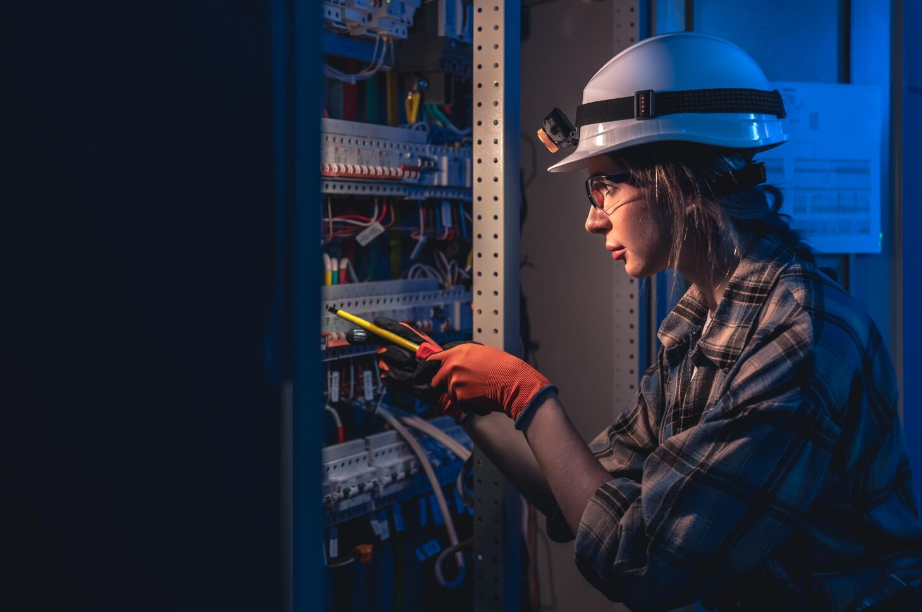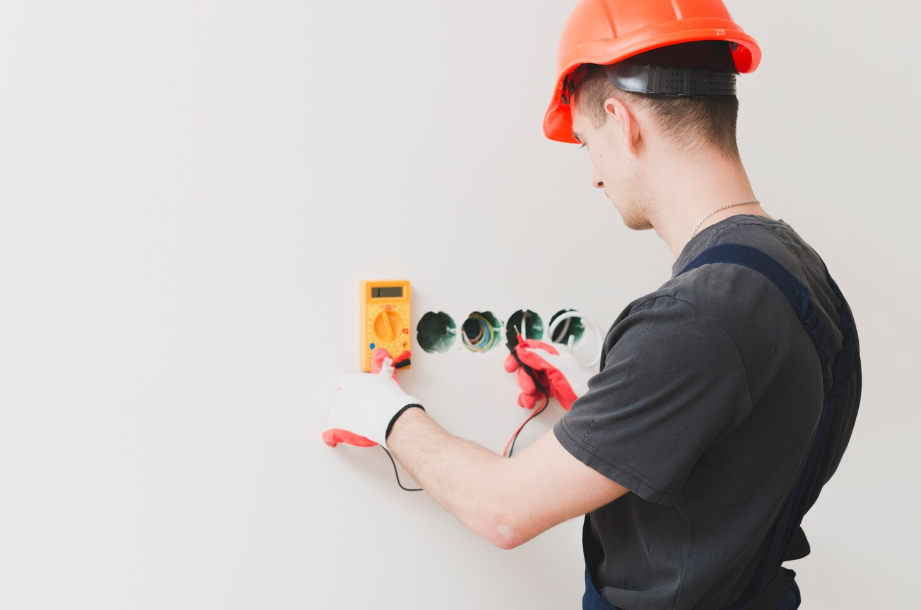
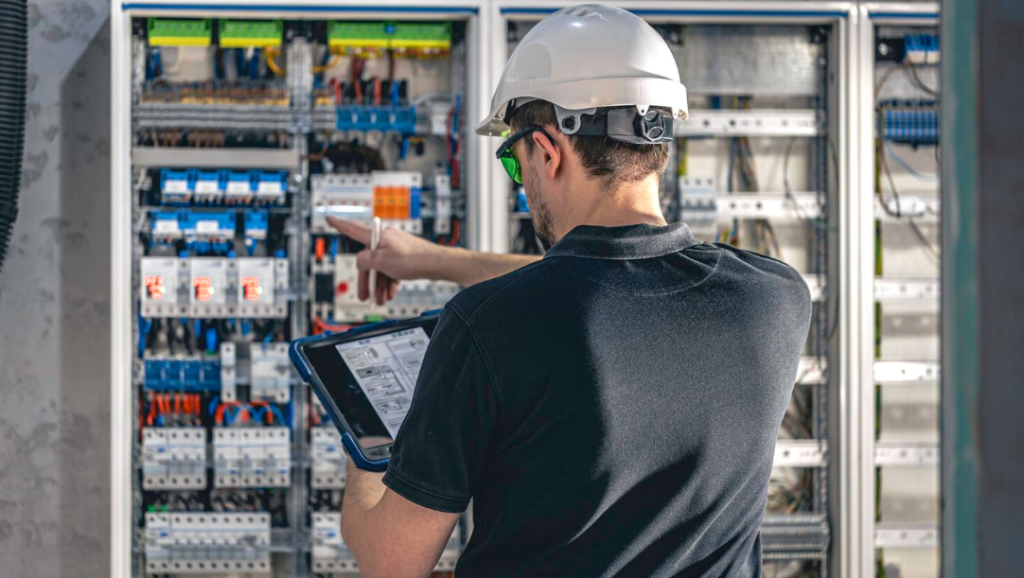
Understanding electrical services in buildings might sound technical, but it’s actually pretty important for keeping things safe and running smoothly. You’ve got wiring, outlets, circuit breakers, panels, grounding systems, and surge protection, and all of them play their part. Wiring has to be done right so electricity gets where it needs to go, and outlets have to be placed where they’re actually useful. Circuit breakers stop things from overheating, panels divide power safely, and grounding keeps voltage stable. Even surge protection matters, to keep spikes from frying everything. Having a certified electrician handle these things can make a big difference, you know, someone who really knows what they’re doing.
Each piece is like a part of a puzzle. Alone, they do something, but together they make sure power is safe, reliable, and doesn’t randomly mess things up. It’s easy to ignore some of it, but the consequences aren’t small if something goes wrong.
Electrical Wiring
Electrical wiring is really the backbone of a building’s power system. If it’s installed poorly, everything else can fail or become dangerous. The layout has to match the building’s needs, thinking about how many devices will be running and maybe even future expansion. Using good materials and following codes keeps it lasting longer and safer.
A bit of negligence here can turn into real problems later. That’s why regular checks are helpful; they catch frayed wires or connections before they start causing sparks or trips. Wiring isn’t something you want to skimp on, even if it’s not something most people see every day.
Outlets and Receptacles
Outlets and receptacles are where everything plugs in, so placement really matters. You want them to be convenient but also safe. Bad placement can lead to cords running across the floor or people overloading one spot. Following local codes and standards is key.
There are different types, too. Standard ones for normal use, GFCIs near water, and AFCIs to prevent fires. Regular inspection keeps them working right, because a frayed outlet or loose plug can cause sparks or even a fire. You don’t notice it until something happens, so being proactive is smart.
Circuit Breakers
Circuit breakers are the things that save the day when something goes wrong. If a circuit overloads, they trip and stops the flow of electricity, preventing damage and fires. Different types exist, like thermal-magnetic or electronic, for specific needs.
Testing and maintenance are simple but often skipped. A tripped breaker isn’t just annoying; it’s a warning. Knowing that breakers are in good shape makes the whole system feel more reliable.
Electrical Panels
The panel is basically the control center for a building’s power. It splits electricity into circuits and keeps each area protected. Inside, you’ll find breakers or fuses that prevent overloads.
Panels need to be checked for damage, overheating, or corrosion. Proper labeling helps so that if something goes wrong, you can find the right circuit without guessing. Having a professional inspect the panel keeps everything working smoothly.
Grounding Systems
Grounding is like a safety net for electricity. It lets excess current go harmlessly into the earth, which prevents shocks and protects equipment. It also stabilizes voltage and reduces interference, and it even helps against lightning.
Ground rods, conductors, and electrodes all work together for this. If grounding isn’t done right, voltage can spike and create dangerous situations. Regular checks make sure it’s doing its job.
Surge Protection
Surge protection is all about stopping sudden voltage spikes from wrecking equipment. These devices redirect extra voltage so your electronics don’t get fried. They’re usually at the main panel or where external lines come in.
You want a protector that matches your building’s needs, voltage ratings, response time, and that kind of thing. Checking them occasionally keeps them effective. It’s a small step that prevents big headaches later.
Related Topics: