You know, most people think home safety is just locks and smoke alarms, but honestly, a lot of it comes down to your electrical system. Flickering lights, outlets that spark, and breakers that keep tripping. You might ignore it at first, but those little things are warnings. Sometimes it’s easy to shrug them off, but they can turn into big problems fast. A licensed electrician can check things out and make sure everything’s safe, which is a huge relief.
There are actually a bunch of ways electrical services help with safety. Getting inspections, upgrading old wiring, adding GFCIs, placing outlets smartly, surge protection, and not overloading circuits all of that matters. Some of it seems small or tedious, but it really adds up. Once it’s done, you notice how much smoother and safer everything feels.
Regular Electrical Inspections
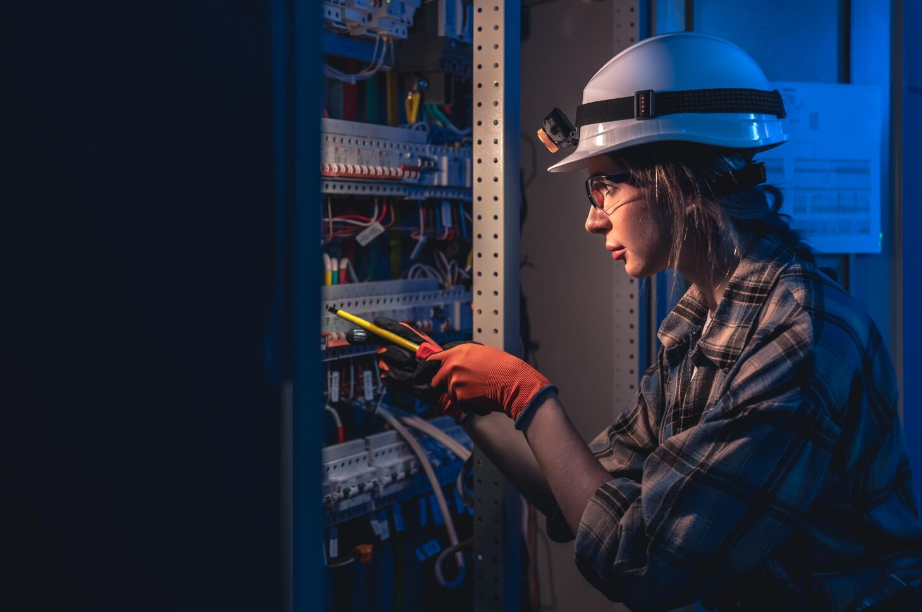
Electrical inspections are like a checkup for your home. A pro comes in, looks at your wiring, outlets, switches, and panels, and tries to spot any problems. They check for wear, overheating, or circuits that might be overloaded. You don’t see these things every day, so having someone trained to spot them is really useful.
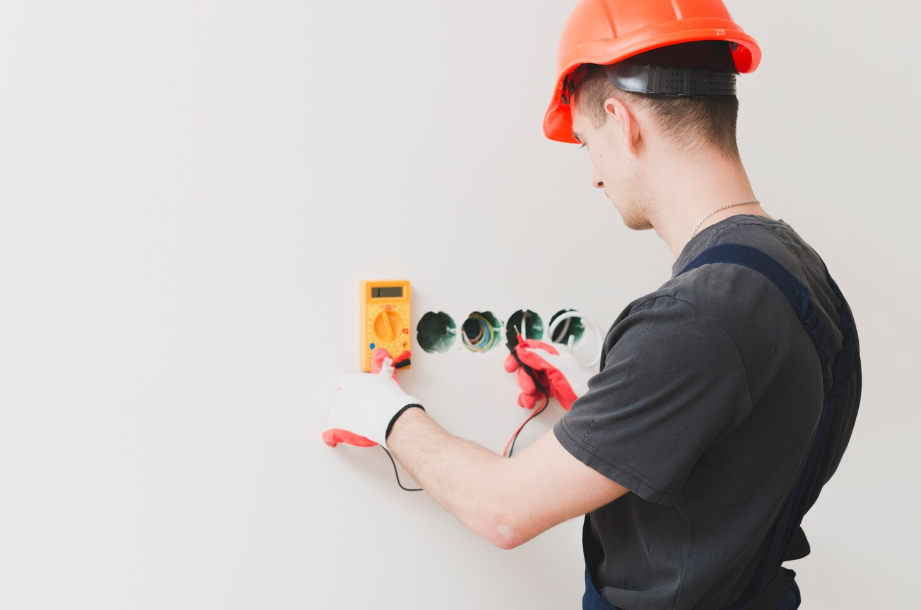
They also test voltage levels and grounding systems. The goal is to catch small issues before they become fires or big electrical failures. Honestly, it’s not exciting work, but it’s the kind of thing that saves headaches later. You notice the peace of mind more than anything else.
Upgrading Outdated Wiring
Old wiring is tricky. Homes built decades ago weren’t designed for today’s devices and appliances. Replacing old wiring helps prevent overheating, shorts, and even fires. New wiring also handles higher electrical loads, which makes everything more reliable.
Sometimes people forget that wiring ages over time. It can get brittle or fray, and you wouldn’t know until something sparks or trips a breaker. Upgrading also keeps your home compliant with codes and can even save a little on energy bills. It’s one of those things you don’t think about much until you really need it, but it matters.
Installing Ground Fault Circuit Interrupters (GFCIs)
GFCIs are those outlets that pop off when something goes wrong. You mostly find them in kitchens, bathrooms, garages, and anywhere water and electricity might meet. They’re super sensitive and shut off power if they sense even a tiny imbalance in the current. That way, you don’t get shocked.
People often forget how important these are until an accident almost happens. A licensed electrician can make sure they’re installed right and actually working. Once they’re in, you don’t notice them, but they’re quietly keeping everyone safe.
Proper Outlet Placement
Where outlets go can make a bigger difference than you think. Too few, or in awkward spots, and you end up with cords all over the floor, which is dangerous. You want them to be convenient, safe, and higher in areas where water might be around.
Spreading outlets across rooms also helps prevent overloading a single circuit. It seems like a small detail, but proper placement reduces sparks, trips, and little annoyances that can turn into bigger problems. Just taking a few minutes to plan it makes a big difference in the long run.
Surge Protection Installation
Surge protectors are easy to forget about until something fries. Lightning strikes, power grid hiccups, or just turning on a big appliance can send spikes through your system. Protectors take that extra electricity and divert it, so your devices don’t get zapped.
Whole-house protectors go on your main panel and protect everything, while smaller plugs help a bit for individual devices. A little investment here prevents a lot of frustration and expense later. It’s one of those things that’s easy to ignore but really worth it.
Addressing Overloading Issues
Overloading circuits is a common issue. Too many devices on the same circuit can overheat wiring or even start a fire. Spreading appliances out, checking the load, and using proper breakers all help. Sometimes it’s not obvious which circuits are stressed, so a pro can measure and make recommendations.
It might feel like a small thing, but it makes your system safer and more reliable. Nobody wants their breaker tripping in the middle of cooking dinner or gaming. Handling overloads now prevents bigger headaches later, and it’s just a bit of peace of mind that’s really worth it.
Related Topics: