Installing a Level 2 EV charger at home may seem simple from the outside, but it is still licensed electrical work. A skilled electrician handles the 240V circuit, load calculation, permit, inspection, and final testing so the charger works safely with your vehicle. At B. Henry’s Quality Electric, we have installed EV chargers across Santa Rosa and Sonoma County homes with many different panel setups, garage layouts, and vehicle requirements.
What an EV Charger Installation Actually Involves
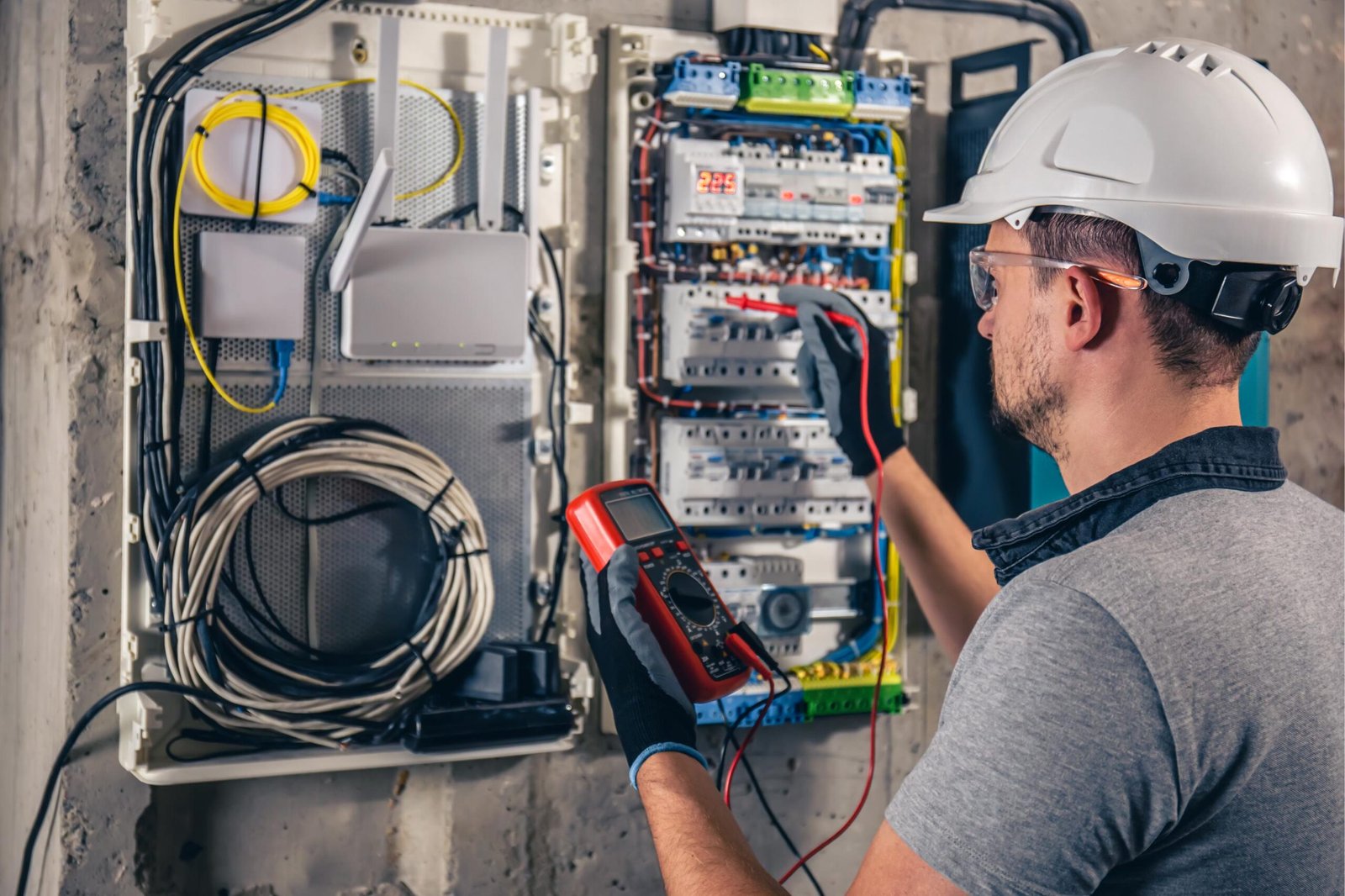
A Level 2 EV charger needs a dedicated 240V circuit. Before the work starts, the electrician checks whether your electrical panel can safely support the added load. From there, the circuit is run from the panel to the garage or parking area.
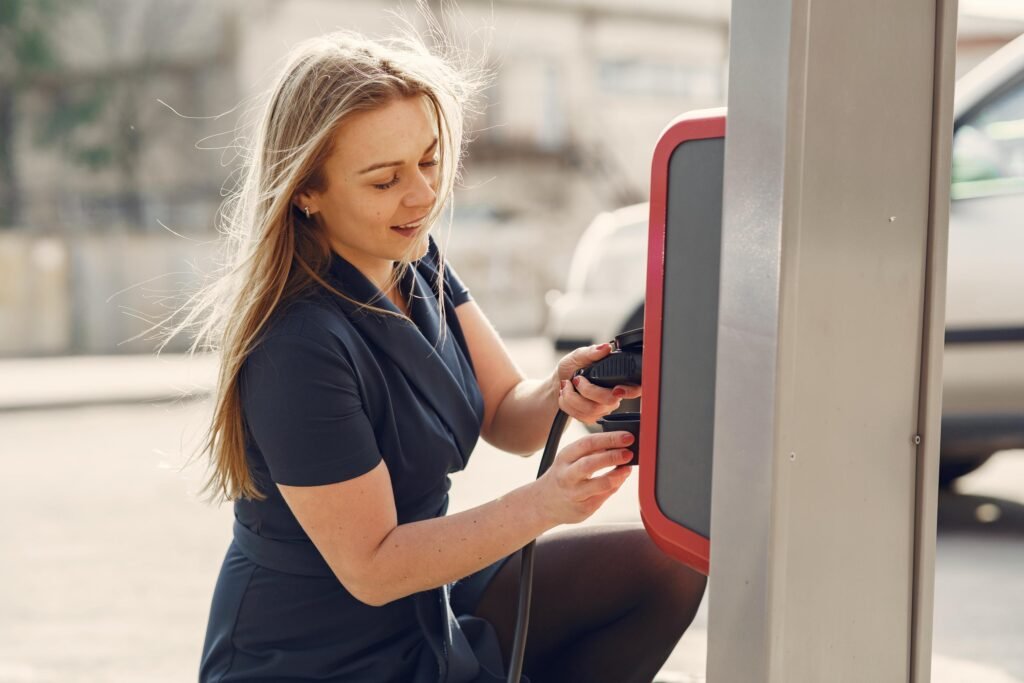
The charger may be installed with a NEMA 14-50 outlet or as a hardwired EVSE unit, depending on the setup. The job also includes pulling the required permit, completing the installation, and testing the system before it is closed out.
That final test matters. EV charging settings vary by vehicle, and a charger can be wired correctly but still not perform the way the homeowner expects. Our team checks compatibility with the specific vehicle before we leave.
Why Local Permit Knowledge Makes a Difference
EV charger installations in Santa Rosa require a permit from the City of Santa Rosa Building Division. That process includes review and an on-site inspection. A local electrician who works with the city regularly knows what paperwork is needed and what inspectors are looking for.
We have pulled EV charger permits through the City of Santa Rosa Building Division, the City of Petaluma, and Permit Sonoma many times. That local experience helps keep the project moving and reduces the chance of permit or inspection issues.
A national chain or handyman may not know the local process as well. That can lead to delays, missing documents, or work that needs to be corrected before inspection.
Local Electricians Know Sonoma County Panel Configurations
Santa Rosa homes are not all wired the same way. A 1960s ranch home in Rincon Valley may have a very different panel setup than a newer home in Windsor. Post-fire rebuilds in Coffey Park can have different electrical configurations, too.
A local electrician with decades of Sonoma County experience has seen these situations before. If your panel does not have room for a new 50-amp circuit, we identify that during the estimate. If a sub-panel or panel upgrade makes more sense, we explain that before the work begins.
That upfront planning helps avoid surprises. You know what the installation requires before anyone starts running wire or opening walls.
What Happens When EV Charger Installs Go Wrong
An EV charger installed without a permit can create problems later. Without inspection, there is no official confirmation that the circuit, wiring, and breaker are sized correctly. If an electrical issue happens later, unpermitted work can also complicate an insurance claim.
Unpermitted electrical work can also show up during a home sale. A buyer’s inspector may flag it, and the homeowner may need to correct the issue before closing.
Poor installation can also affect daily charging. If the charger is not matched properly to the vehicle and electrical system, charging may be slower than expected or may cut off unexpectedly. Getting it right the first time is usually easier and less expensive than fixing a bad install later.
What Our EV Charger Customers Say
Henry’s Quality Electric has completed more than 5,000 projects across Sonoma County. We are Diamond Certified with a 4.9 rating across 752 verified customer surveys. EV charger installations are covered by our 10-year labor and workmanship guarantee.
You can learn more on our EV charger installation page or review our residential electrical services in Santa Rosa.
Related Topics: