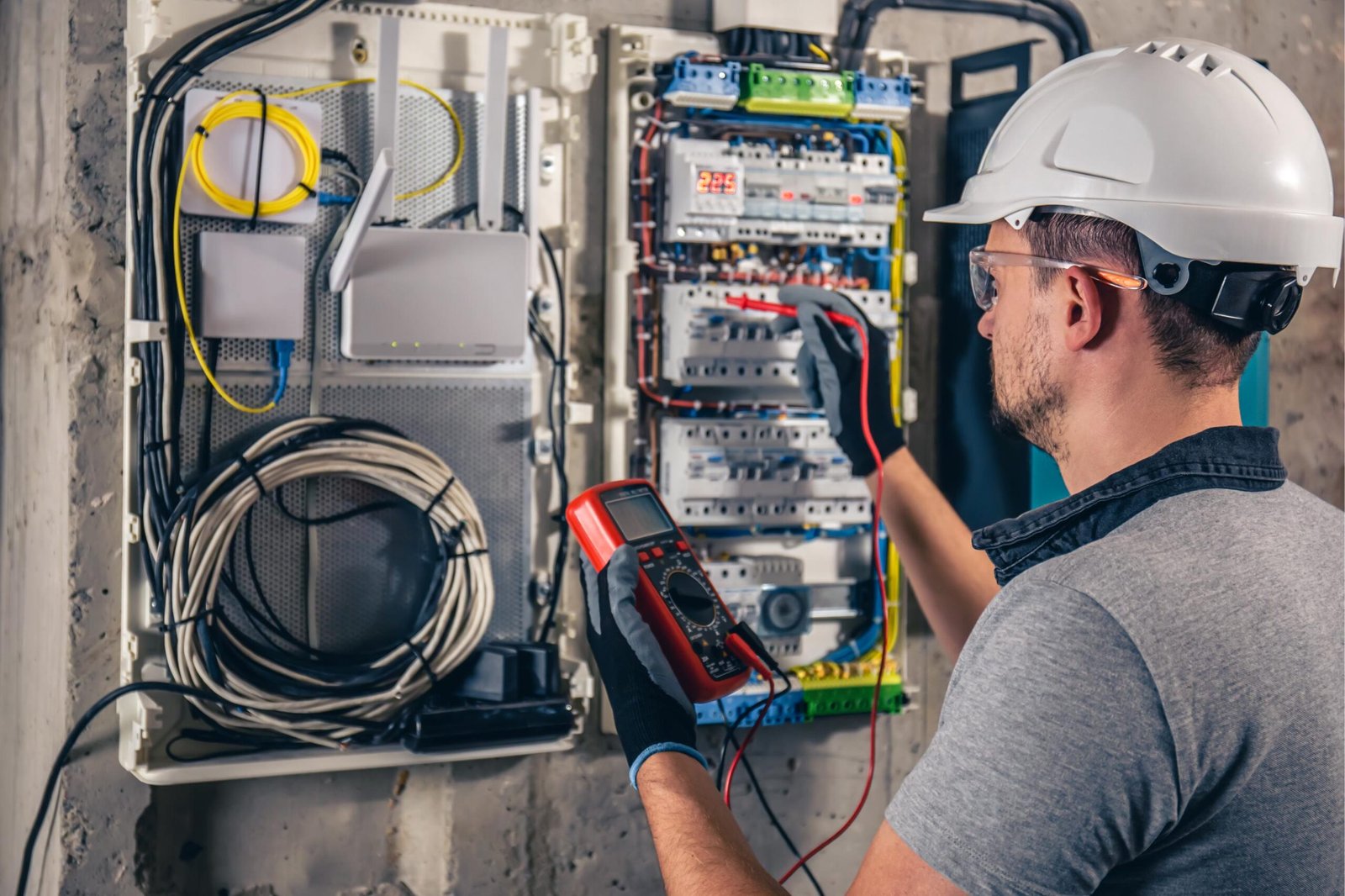

Getting a second opinion on electrical work can save you money and keep your home safe. This post walks you through why second opinions matter, how to find a top electrician you can trust, and what to look for when comparing quotes. We’ll also cover how to evaluate recommendations and make smart repair decisions. Electrical systems are complicated, and the stakes are high if something goes wrong. Taking time to verify your options is always worth the effort.
Importance of Second Opinions
When dealing with electrical repairs, getting a second opinion helps make sure the assessment and work are accurate and safe. Electrical systems are complex, and even small mistakes can lead to serious problems, such as fires or shocks. Talking to another professional lets you confirm the original diagnosis, identify issues that might have been missed, and explore different solutions. This process improves the quality of the repair and gives you peace of mind knowing the work has been properly reviewed. A second opinion also helps you understand how complex the repair actually is, so all the right steps get taken to finish the job correctly.
Finding a Trustworthy Electrician
When searching for a reliable electrician, focus on qualifications and industry certifications to make sure they’re competent and dependable. Here are some things to look for:
- Qualifications: Find electricians with proper credentials, such as a license or certification.
- Experience: Pick someone with a solid track record of handling similar electrical issues.
- References: Ask for and check referrals from past clients to gauge the quality of their work.
- Insurance: Make sure the electrician has insurance to protect both of you in case something goes wrong.
- Transparent Pricing: Go with an electrician who gives clear, detailed pricing estimates upfront so there are no surprises.
Requesting Multiple Quotes
To get competitive pricing and a clear picture of what your electrical repairs require, ask several electricians for quotes. This lets you compare different approaches and costs across professionals. When requesting quotes, provide detailed information about the project’s requirements to ensure accurate estimates. It also helps to ask about their qualifications, experience, and any warranties they offer. Having multiple quotes lets you size up not just the pricing but also the professionalism and skill of each electrician. This process helps you make a solid decision by giving you a clear view of all your options.
Comparing Quotes Effectively
To compare quotes from different electricians the right way, take a close look at the cost breakdowns and proposed work in each estimate. Here are some key things to check:
- Scope of Work: Review the specific tasks each electrician plans to do.
- Materials and Brands: Check the quality and brands of materials listed in the quote.
- Labor Costs: Understand the labor rates and estimated hours for the project.
- Timeline: Compare how long each electrician expects the repairs to take.
- Warranty: Review the labor and parts warranty for each quote.
Carefully reviewing these details will help you choose the best electrician for your electrical repairs.
Evaluating Electricians’ Recommendations
When reviewing electricians’ repair recommendations, pay attention to the specific solutions each professional proposes. Focus on the details they provide about what needs fixing. Consider the reasoning behind their suggestions and ask what could happen if certain issues aren’t addressed quickly. Compare the methods, materials, and estimated costs each electrician lays out. Look for clear explanations that line up with industry standards and regulations. Check the reputation and experience of the electricians giving recommendations, along with their history of successful repairs. Pick the electrician whose recommendations make sense, are straightforward, and give you confidence that they can handle the electrical issues properly.
Making Informed Repair Decisions
Before moving forward with any electrical repairs, it pays to carefully weigh all the information you’ve gathered. Here are the main factors to think about:
- Safety Concerns: List repairs that pose safety risks first.
- Cost vs. Benefit: Figure out whether each repair is worth the cost.
- Long-Term Impact: Consider how repairs might affect your electrical system in the long term.
- Professional Recommendations: Consider advice from electricians you trust.
- Timeline: Determine the urgency of repairs based on the situation.
Related Topics: