Some electrical repairs are safe for homeowners to tackle on their own, while others require a licensed electrical expert. Knowing the difference keeps you safe and prevents costly mistakes down the line. This post covers what you can do yourself, the tools you’ll need, and when it’s time to call in a pro. We’ll also go over common mistakes that trip people up and safety steps you shouldn’t skip. Understanding your limits when it comes to electrical work protects both you and your home.
Safety Precautions
Before starting any DIY electrical repair, safety has to come first to prevent accidents and injuries. Always turn off the power to the circuit you’re working on at the main breaker. Use a voltage tester to confirm there is no power in the area before you touch any wires. Wear insulated gloves and safety goggles to protect yourself from electric shocks and sparks. Never work on electrical systems in wet conditions or with wet hands, as this increases the risk of shock. Make sure your tools have insulated handles and avoid using damaged cords or equipment. Following these safety steps reduces the risks associated with DIY electrical repairs.
Basic DIY Electrical Tasks
Some basic electrical tasks are manageable with the right tools and a little know-how. Replacing electrical outlets is a common task. Start by turning off the power, removing the outlet cover, unscrewing the outlet from the box, disconnecting the wires, connecting the new outlet the same way, and securing it back in place. Swapping out a light switch follows a similar process: shut off the power, remove the cover plate, unscrew the switch, disconnect the wires, reconnect them to the new switch, and attach it back to the wall. Always follow safety steps and call a professional if you’re unsure about anything. With practice and attention to detail, these basic tasks are totally doable.
Tools You Need
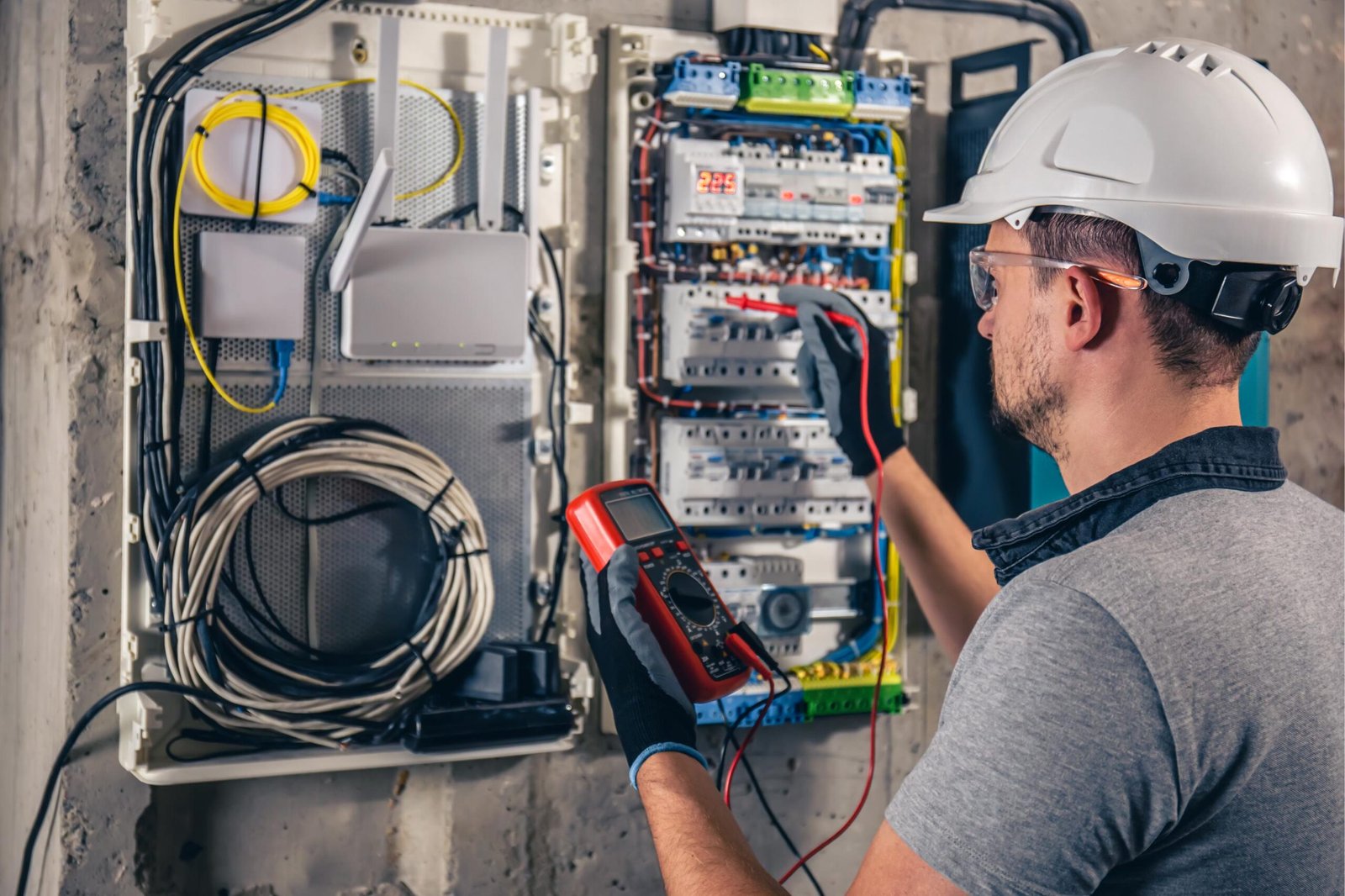
Having the right tools makes DIY electrical repairs safer and more efficient. A basic toolkit should include insulated screwdrivers, wire strippers, needle-nose pliers, a voltage tester, and a multimeter. Insulated screwdrivers protect you from electric shock, while wire strippers help you prep wires cleanly and accurately. Needle-nose pliers work well for bending and securely gripping wires. A voltage tester confirms there’s no current before you start, and a multimeter helps you accurately diagnose electrical problems. A headlamp or flashlight is also handy for lighting dark spaces. Investing in quality tools makes your repairs more effective and keeps you safer while working.
Electrical Repairs to Leave to Professionals
Some electrical repairs require specialized knowledge and skills, so it’s best to bring in a pro. Here’s why certain tasks should stay off your DIY list:
- Main Electrical Panel Upgrades: Upgrading the main panel involves complex wiring and a solid understanding of electrical codes.
- Electrical Rewiring: Rewiring a home requires expertise to ensure connections are done correctly and meet safety standards.
- Installing New Circuits: Adding circuits requires precision to avoid overloading and potential fire hazards.
- Repairing Faulty Outlets: Fixing faulty outlets means handling live electrical components, which can lead to electric shock if done wrong.
Common Mistakes to Avoid
Knowing the common mistakes helps you stay safe and get better results with DIY electrical repairs. One big mistake is ignoring safety steps; always turn off the power before starting any repair to avoid shocks. Another issue is using the wrong tools, which can damage components or cause accidents. Overloading circuits is also a frequent problem, so don’t exceed a circuit’s maximum capacity or you risk overheating and fires. Skipping local codes and regulations is another serious error that can lead to unsafe setups and legal trouble. Being aware of these pitfalls helps you pull off successful DIY electrical repairs.
When to Call an Electrician
For complex electrical issues or when you’re not sure what you’re doing, calling a licensed electrician is the safest option. Knowing when to bring in a professional matters for both safety and the proper function of your home’s electrical system. Here are four situations where the experts should handle it:
- Flickering Lights: Constant flickering may indicate a wiring issue that requires professional assessment.
- Tripped Circuit Breakers: If breakers keep tripping, there’s likely an underlying issue with your electrical system.
- Burning Smell: Any burning smell coming from outlets or appliances needs immediate attention.
- Upgrading Electrical Panels: Panel upgrades or high-voltage work should always be handled by skilled electricians.
Related Topics: