
EV Charger Installation
Fast, licensed electrical services for homes and businesses across Santa Rosa, Petaluma, and the surrounding areas.
How can we help you?
Schedule a same-day or emergency service with our experienced team





So you got an electric vehicle. Or maybe you’re thinking about it and doing your homework ahead of time, which, honestly, is a good call. Either way, you’re going to need a reliable way to charge that thing at home because relying on public charging stations gets old fast. A home EV charger changes everything. You plug in at night, wake up with a full battery, and skip the whole detour to a charging station on your way to work.
Sounds simple enough, right? The installation process is where most people start second guessing themselves, though. There’s wiring involved, permits to think about, and questions about whether your electrical panel can even handle the extra load. That’s where working with a reliable electrician in Santa Rosa, CA, who actually knows what they’re doing makes a real difference.
Why Home Charging Works Better for Most People
Public charging has its place. Road trips, emergencies, that one time you completely forgot to plug in the night before. But for everyday use? Home charging wins. You control the schedule, you avoid waiting in line, and you’re not paying premium rates at a commercial charging station. The convenience factor alone is huge. Think about it. You pull into your garage, connect the plug, and walk inside. That’s it. No apps to check, no hoping a charger is available, no standing around in a parking lot.
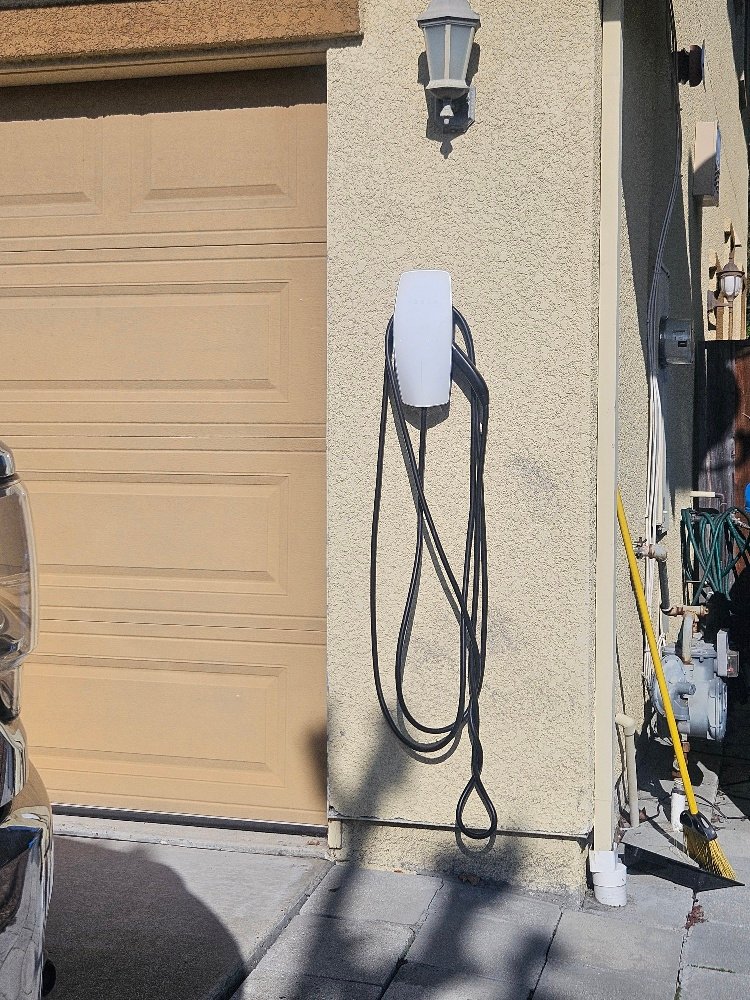
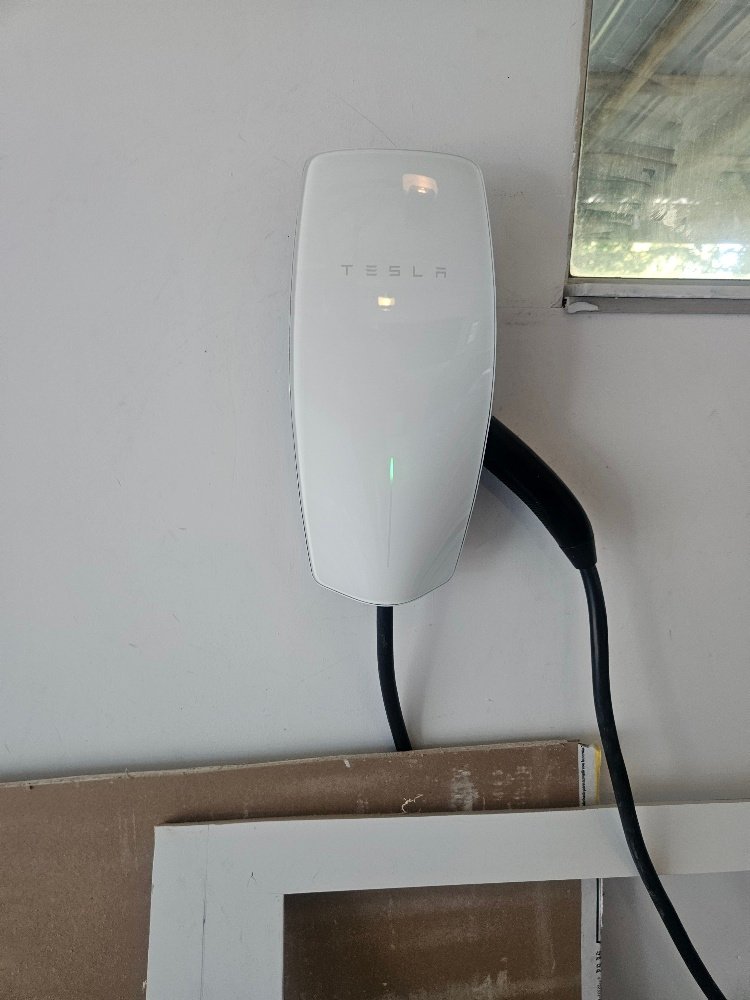
A wall charger installed in your garage or carport delivers the fastest charge you can get outside of a DC fast charger, and it’s right there whenever you need it. For most standard EVs, a Level 2 home charger can fully charge the battery overnight, which means you start each day ready to go without even thinking about it. Larger vehicles with bigger batteries, like some trucks and SUVs, might take a bit longer, but even those typically charge enough for daily driving needs in a single overnight session.
Understanding the Installation Process
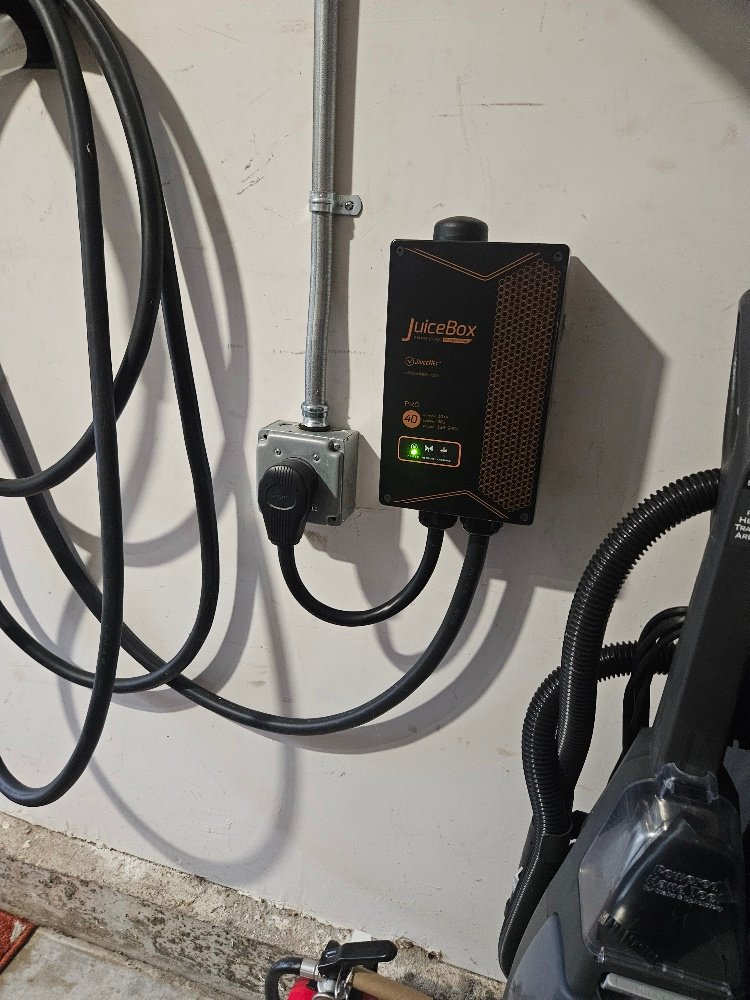
Here’s where things get a little more involved. EV charger installation isn’t quite as simple as plugging in a toaster. Your electrician needs to assess your home’s electrical system, determine the best location for the charging unit, and figure out what kind of wiring runs are necessary to get power from your main electrical panel to the installation site. There’s also the matter of sizing everything correctly, from the wiring gauge to the circuit breaker, all of which depends on the specific charger you’re installing. The specific location matters more than you might expect.
You want the charger positioned where your car will be parked, obviously, but also somewhere that minimizes the length of the wiring runs. Longer runs mean higher installation costs and more labor. If your panel is on the opposite side of the house from your garage, that’s going to factor into the total cost. A home charging assessment helps sort all of this out before any work begins.
Evaluating Your Electrical Panel and Breaker Capacity
This part trips a lot of people up. Your electrical panel has a limited amount of capacity, measured in total amps. Most homes have either a 100 amp or 200 amp panel. An EV charger needs a dedicated circuit with a properly sized breaker, and per electrical code, that breaker has to be rated higher than what the charger actually draws. The math isn’t complicated, but getting it wrong creates problems. So the question becomes, does your panel have enough room? If you’ve got an older home with a 60 amp or 100 amp panel that’s already close to maxed out, you might need an upgrade before the charger can even be installed.
A certified installer will check your breaker capacity and let you know if your current setup can provide sufficient capacity or if electrical upgrades are in order. Load management systems are another option worth discussing. These devices help balance the electrical demands across your home so you can accommodate additional electrification technologies without necessarily upgrading your entire panel.
Permits and Local Requirements
Yeah, permits. Not the most exciting topic, but skipping them is a bad idea. Most local jurisdictions require permits for this type of electrical work, and inspections are typically part of the deal. Your electrician should handle the paperwork to obtain permits and coordinate with inspectors, but it’s worth confirming that upfront. The required permits vary depending on where you live. Some areas have streamlined the process for EV charger installation because they want to encourage adoption.
Others still treat it like any major electrical project. Either way, getting the necessary permits protects you. It ensures the work meets code, which matters for safety and for your homeowner’s insurance. B. Henry’s Quality Electric Inc. takes care of this process for clients throughout Sonoma, Marin, Napa, and San Francisco Counties, handling permits and inspections so you’re not chasing down paperwork yourself.
What Affects the Total Cost
People always want a number, and the honest answer is it depends. Installation costs vary based on several factors:
- Distance from your electrical panel to the installation site
- Whether your panel needs an upgrade to provide sufficient capacity
- The type of charging equipment you choose
- Permit fees charged by your local jurisdiction
- Any trenching required for outdoor installations
- Condition of your existing wiring and whether other repairs are needed
A basic installation where the panel is close to the garage and has available breaker capacity will cost less than a project requiring a panel upgrade, long wiring runs, and trenching through concrete. The price includes labor, materials, and applicable fees related to permits. Some homeowners also qualify for tax credits or utility rebates that offset part of the expense, so it’s worth checking what’s available in your area. Getting a custom estimate based on your specific situation gives you a realistic picture of what to expect.
Choosing the Right Electrician for the Job
This isn’t a weekend project for someone who watched a few YouTube videos. EV charger installation involves working with your home’s electrical system, and mistakes can be dangerous or damage your charging equipment. Licensed electricians have the training and experience to do the job safely and correctly. They understand local codes, know how to properly size a circuit breaker for your charger, and can troubleshoot issues that come up during installation.
B. Henry’s Quality Electric Inc. has been handling residential and commercial electrical projects for over 16 years, with a focus on doing the work right rather than rushing through it. Owner Bill Henry is personally involved in every project, which means nothing gets overlooked. That kind of attention matters when you’re dealing with something your family will use every single day.
Getting Started With Your Installation
The process usually starts with an assessment. Your electrician visits the site, looks at your panel, discusses where you want the charger installed, and identifies any potential challenges. From there, you get an estimate that accounts for everything involved. Once you approve the scope and cost, scheduling happens pretty quickly in most cases. The actual install typically takes a few hours to a full day depending on complexity.
After the work is done and inspections are complete, you’re ready to start charging. It really is that straightforward when you work with people who know what they’re doing. And once that charger is up and running, you’ll wonder why you didn’t do it sooner. There’s something satisfying about waking up every morning knowing your car is charged and ready without you having to do anything except plug it in the night before.